
2. Why Compost? | 15 mins
Saving our Soils
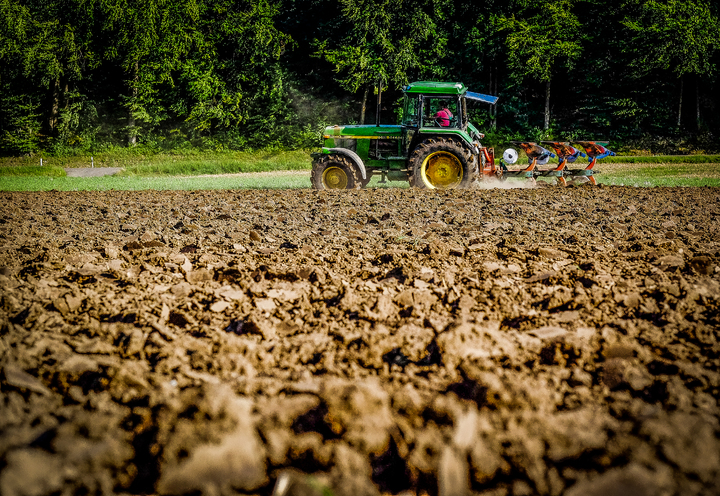
Compost saves our soils
Large-scale farming across the world has meant that our soil is no longer as good for growing food. A UN-backed study, The Global Land Outlook, reports that in 'Europe alone, poor land management practices account for an estimated 970 million tons of soil loss due to erosion each year; worldwide, the annual loss of soil is estimated at 24 billion tons'. And as we grow 95% of our food in the soil, this is a big problem.
Composting can help to solve this problem because it puts organic carbon back into our soil, reversing the effects of intensive farming.
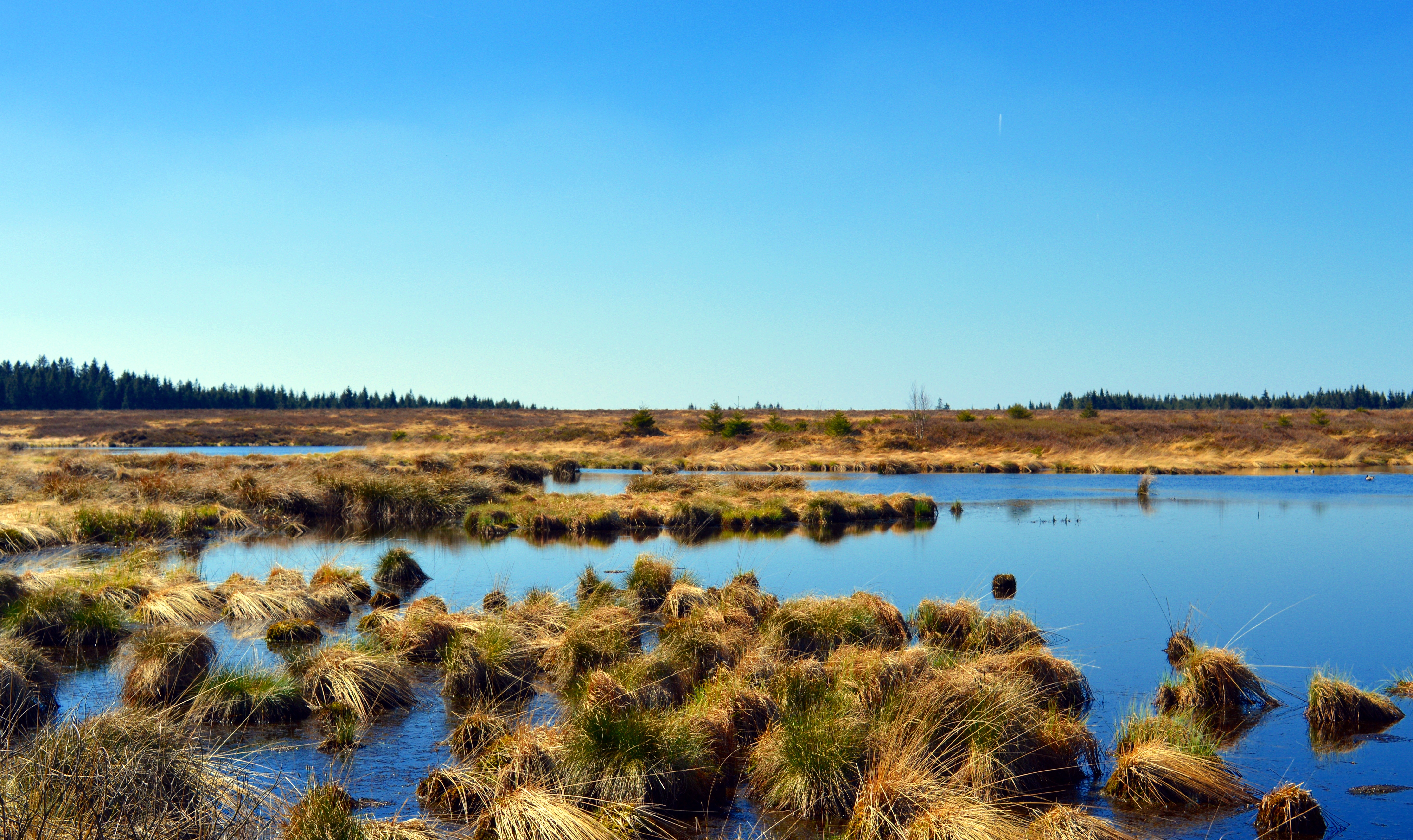
Home composting avoids the use of peat
Another great benefit to composting at home is that it means you're not using commercial compost.
Most commercial compost today uses peat. The only way to get peat is to take it from the world's precious and sadly dwindling peat bogs that have been there for thousands of years, locking in carbon and providing a home for many species of wildlife that cannot be found anywhere else in the world. In the UK, more than 24 million wheelbarrows of peat are used every year.

If you'd like to read more about our campaign to stop the use of peat, the benefits of peat bogs and the other alternatives to peat compost, head to www.gardenorganic.org.uk/peat.