
3. The composting process | 30 mins
Managing challenging waste
Getting to know your weeds is the first step in effectively dealing with them in your compost. Being able to identify a variety of common weeds is a real bonus to gardeners and composters and the presence of certain weeds can be a good indicator of your soil conditions.

Annual weeds
Annual weeds may include fat hen, cleavers (goose grass) and chickweed. It is best to remove these weeds from the ground before they go to seed, which can be very rapidly. In general, annual and ephemeral weeds which have NOT gone to seed are fine to add to a compost heap.
Perennial Weeds
Perennial weeds include ground elder, dandelion, stinging nettles and horsetail. These weeds can 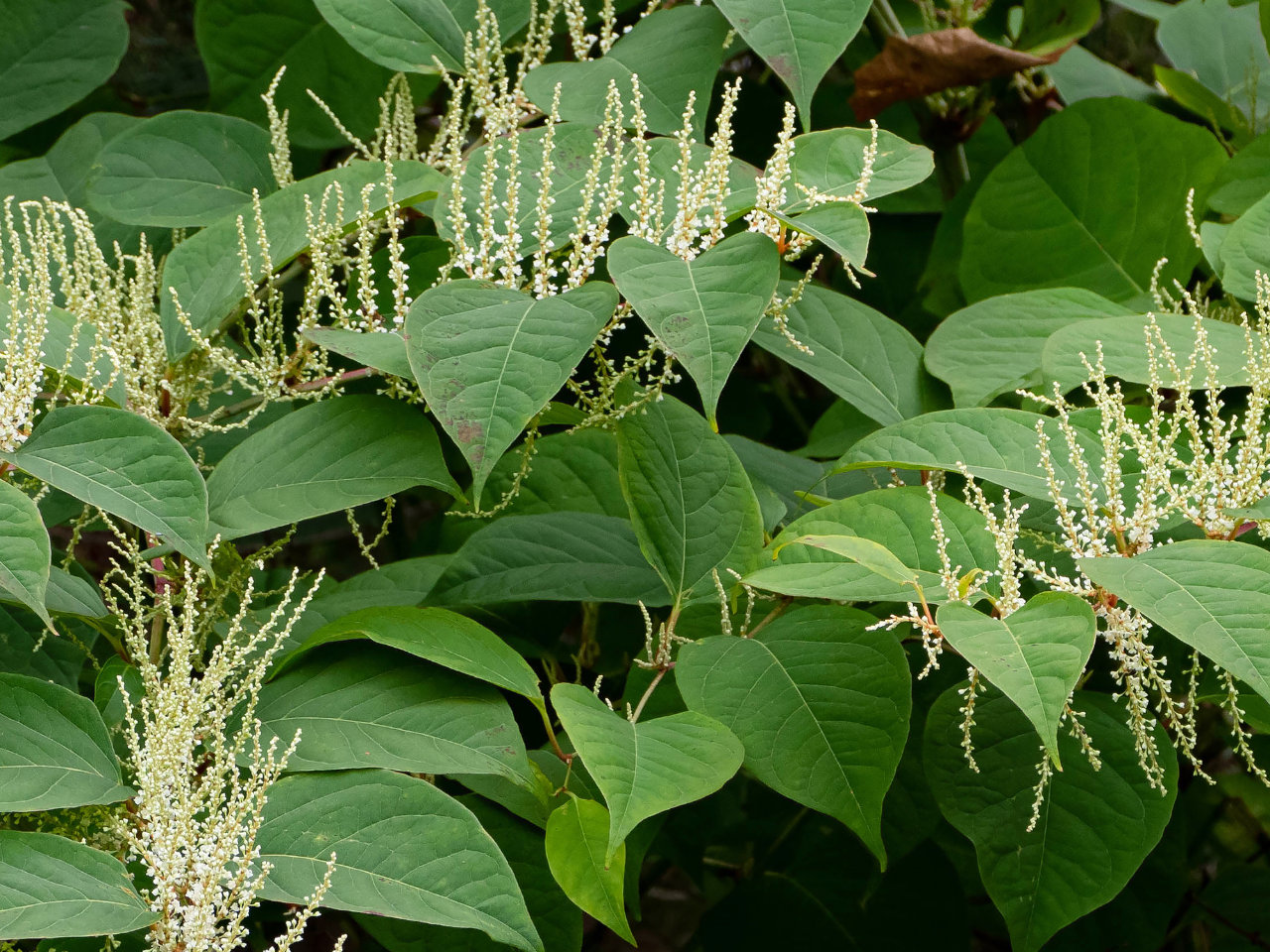 survive in a compost heap if it doesn't reach higher temperatures throughout, so consider this carefully before adding. Perennial weeds can be broken down effectively before composting by using one of the methods outlined below.
Several weeds are so persistent and problematic that their control is covered by law (Weed Act 1959). Examples include Creeping Thistle, Himalayan Balsam, Giant Hogweed, Spear Thistle, Curled and Broad-leaved Dock, Japanese Knotweed and Ragwort. These weeds should not be composted.
Methods of dealing with weeds in compost
It is easier to prevent weed seeds and perennial weeds going into your compost than to kill them during the composting process, so it's important to ensure you carefully filter out any weeds that have gone to seed or stubborn perennial weeds and manage them separately.
Drowning weeds
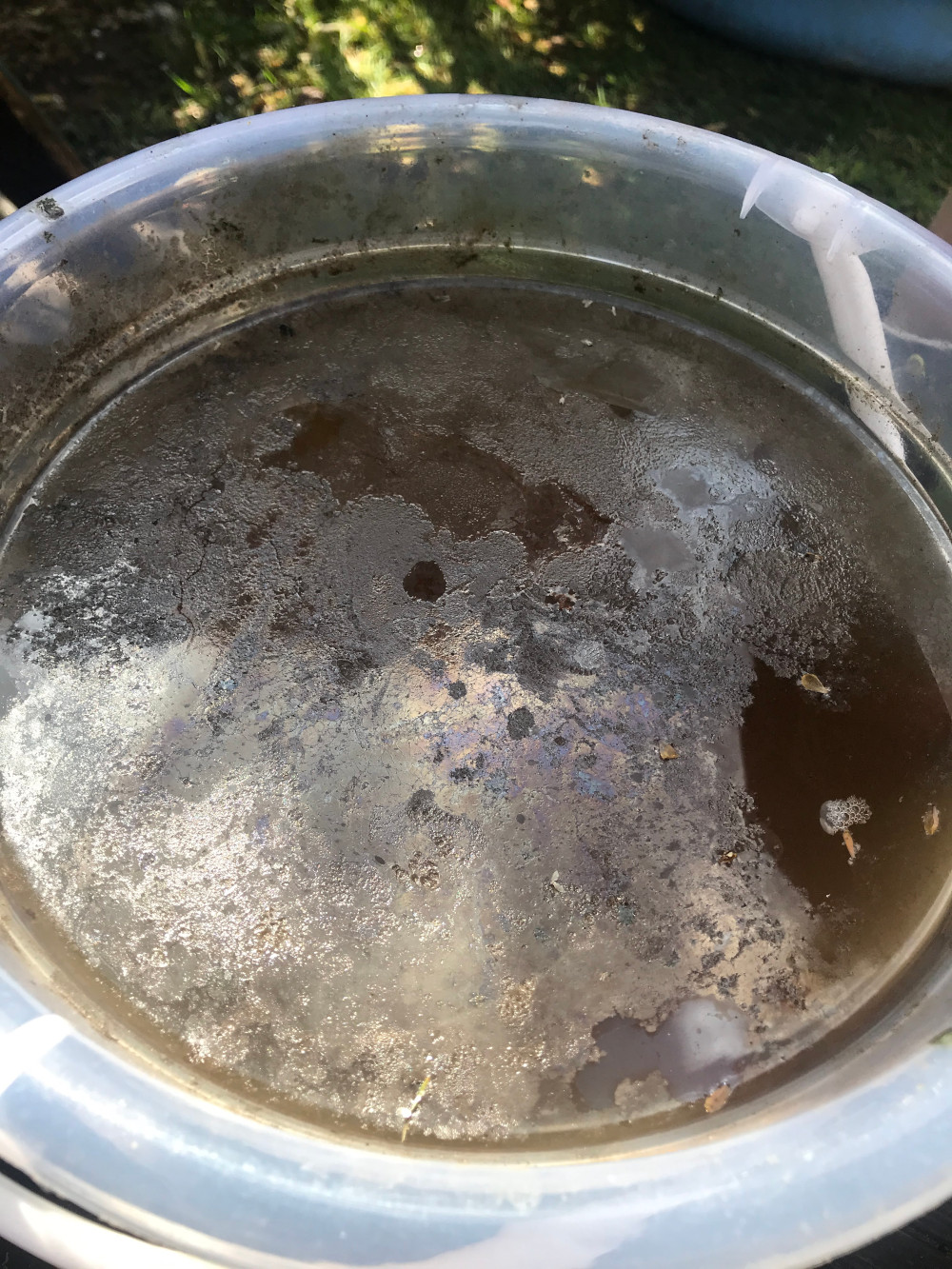 Drowning is a good option to deal with annual weeds that have gone to seed as well as perennial weed roots and shoots. The method can be carried out either in black bags or in a black dustbin or bucket as follows:
In a black bag:
Add your weeds, adding green material if necessary. Tie the top of the bag and store out of the way for six months. This will decompose into a black liquid, with no recognisable weeds, which can then be added to your compost heap.
In a dustbin or bucket:
Add your weeds, cover with water and a lid, and leave for several weeks. The result will be a dark liquid with no recognisable weeds which can be added to your compost heap. If you have a large site or a lot of weeds, it may be worthwhile setting up two or three large bins to use in rotation. Although the smell can be pungent, it's a great way to recycle important nutrients back into your soil.
If in doubt about how best to deal with a particular weed on your site, use our extensive list of weed datasheets to identify the weed and contact us for more advice.