
3. Encouraging biodiversity | 15 mins
Biodiversity best practices
 Simply put, 'biodiversity' means many different life forms.
Encouraging a wide variety of different indigenous species into our growing spaces creates the conditions that encourages a healthy interdependency between our plants and wildlife. It also produces a more resilient and vibrant growing space. We can encourage biodiversity by following these organic best practices:
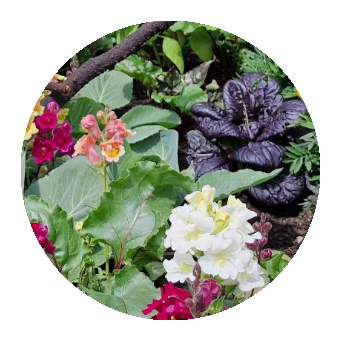 Grow diverse types of plants
Grow flowers, shrubs and vegetables which flower (and seed) at different times to provide food & shelter for insects and birds. Some weeds also provide food for pollinators.
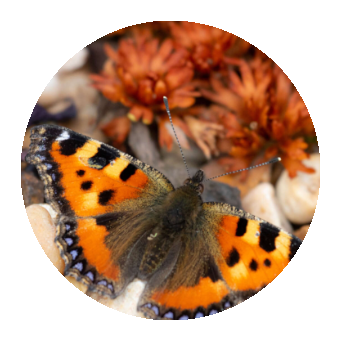 Provide habitats and food for wildlife
Long grass, hedges and ponds will encourage a mix of wildlife, including beneficial insects, hedgehogs, toads, frogs and birds. Don’t be too tidy, leaves, old wood piles, weeds or longer grass, will feed and shelter wildlife.
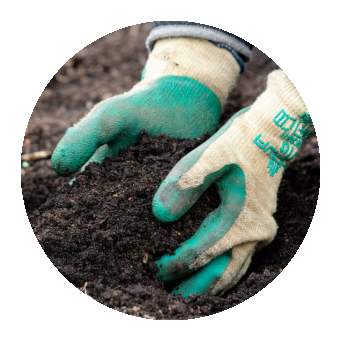 Feed the soil life
Healthy soil is full of micro-organisms which create the right environment for plants to thrive. Adding composted organic materials will enrich soil life.
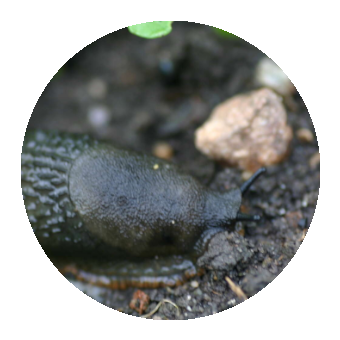 Tolerate some pests
Avoid attempting to eliminate pests completely. For instance, aphids and slugs are a necessary food source for valuable predators such as birds and ladybirds.
Background Colour
Font Face
Font Kerning
Font Size
Image Visibility
Letter Spacing
Line Height
Link Highlight
Paragraph Width
Text Alignment
Text Colour