5. Avoid Using Harmful Chemicals | 10 mins
Best organic practices
 The idea of a healthy garden, rather than one which is completely free of pests, is at the heart of organic growing.
As we have seen, a healthy, biodiverse garden will create a more resilient space and help to naturally manage pests and diseases without eradicating them. Paying close attention to your plants and soil will help you to spot potential problems early on, allowing you to prevent their escalation through the use of physical rather than chemical methods .
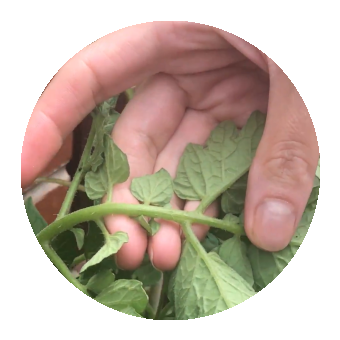 Be observant
Prevention rather than treatment is the organic principle. Be observant and check your plants regularly and as often as possible.
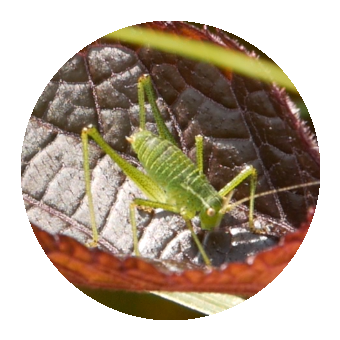 Tolerate, not obliterate
Prevention rather than treatment is the organic principle. 'Pests', such as aphids, are food for beneficial insects such as hoverflies and ladybirds. And even the slug is nutritious for thrushes and ground beetles.
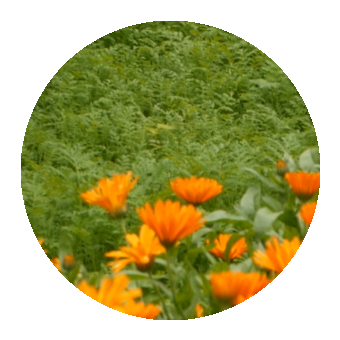 Keep bare soil covered
Using a mulch or cover crop will starve the weeds of light. If you add recycled plant materials such as leaves, grass cuttings, straw and compost, you will improve the soil nutrients and structure.
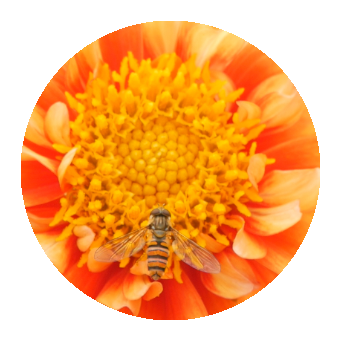 Encourage biodiversity
Having a healthy growing system will prevent many pests and diseases. Biodiversity, having many different species in your garden, helps to create this resilient system.
Background Colour
Font Face
Font Kerning
Font Size
Image Visibility
Letter Spacing
Line Height
Link Highlight
Paragraph Width
Text Alignment
Text Colour