5. Using your compost | 20 mins
Using your compost
When compost is dark brown and has an earthy smell the composting process is complete. It's then best left to 'mature' for a month or two before you use it. Don’t worry if your compost is not perfectly fine and crumbly, even if it is lumpy, sticky or stringy, with bits of twig and eggshell still visible, it is quite usable. You may prefer to sieve it if you plan on adding it as a mulch in more visible areas of the garden, just return any large bits back into your new compost heap to breakdown further.
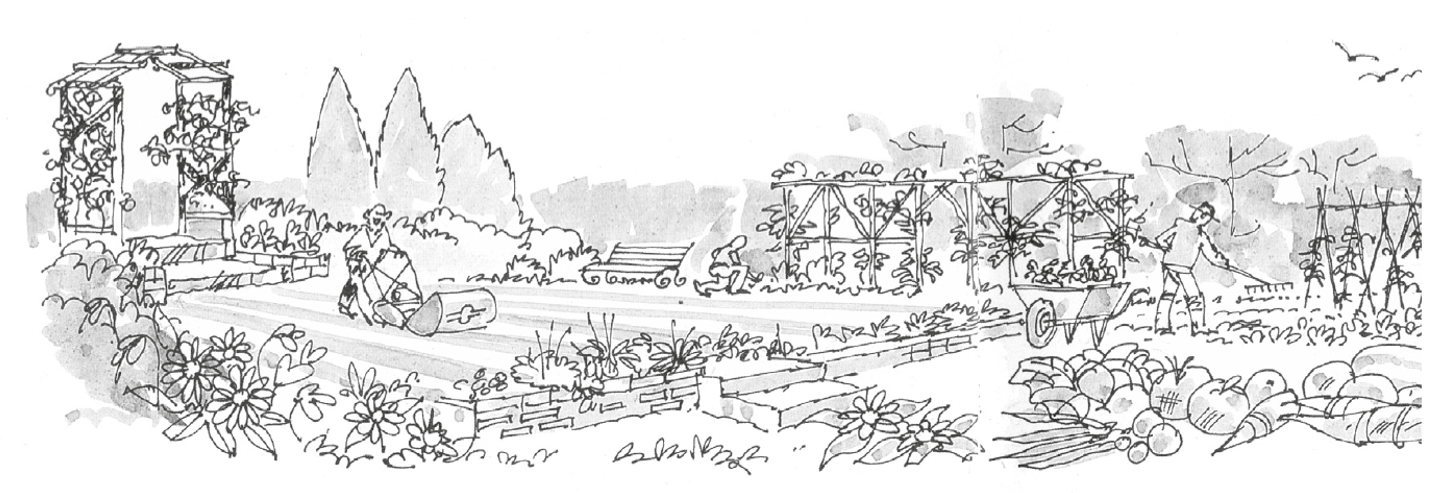
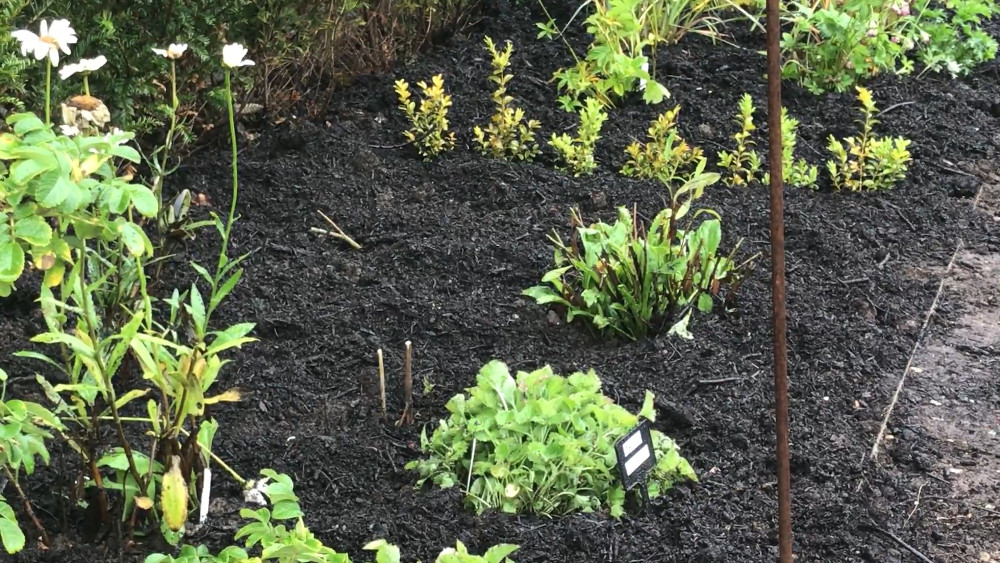
Compost adds valuable nutrients to soil but will usually contain little readily available nitrogen. When applied over time compost will increase soil organic matter and biodiversity levels, improve soil structure and workability, provide slow release nutrients, and improve soil water-retention.
Understanding how best to use compost resources helps to minimise wastage and avoids over application that can lead to potential environmental pollution.Nutrients and application
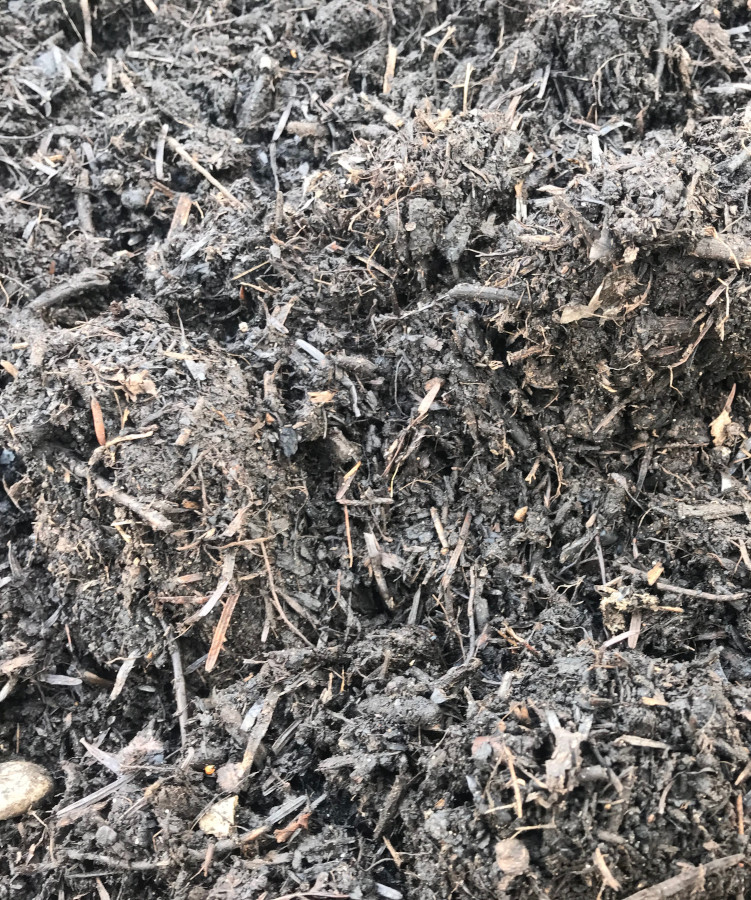 Compost and other organic matter can contain a wide variation of possible nutrient contents due to the variability of the materials used in their production. Applications of compost should ideally be targeted to the areas and plants that will benefit the most at the appropriate time, ideally as part of a crop rotation plan that will help you to identify which areas of your space will require more nutrients each year.
For commercial growers, the application of composts and fertilisers is closely regulated by legislation focused on maximising the benefits whilst minimising nitrate leaching and risks of groundwater pollution. Although this type of legislation typically applies to farmers and large scale composting operations, understanding and avoiding the wasteful over application of compost and risking causing pollution makes sense at any scale.
Best practice for using your compost:
- Apply according to the needs of the plants for the upcoming growing season
- Apply to areas where crops and plants can make best use of nutrients, as part of an annual crop rotation.
- Apply as a mulch, or incorporate into the top 20cm of soil
- Avoid over-feeding which can cause problems with overcrowding and lead to more pests and diseases